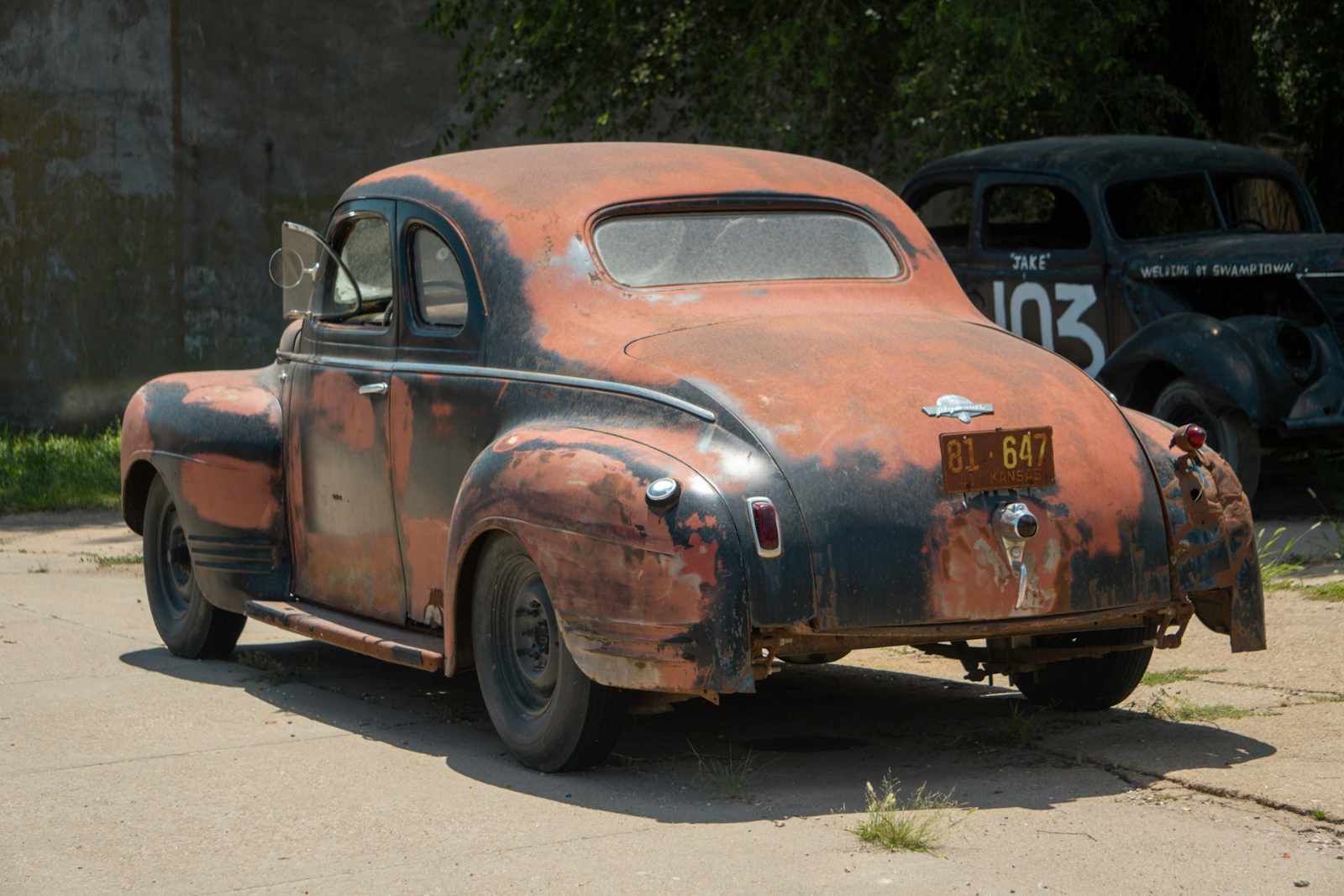
Stages of Rust on a Car: Surface, Scale & Penetrating
Rust usually develops in three stages: surface rust, scale rust, and penetrating rust.
Knowing these stages and what rust does to a car can help you spot problems early, before they turn into expensive repairs or safety concerns.
The earlier rust is found, the easier and less expensive it is to treat.
What Causes Rust on a Car?
Rust forms when iron, oxygen, and moisture react together.
Road salt, humidity, rain, and snow can make this process happen much faster. Even small paint chips or scratches can expose bare metal and allow rust to begin.
If you’d like to learn more about what causes corrosion, read our guide on why cars rust.
The Stages of Rust
Stage 1: Surface Rust
Surface rust is the first stage of corrosion.
It usually appears as light orange or brown spots with a slightly rough texture. Common places include door edges, wheel wells, and areas with paint chips or scratches.
At this stage, the metal underneath is usually still in good condition, making repairs much easier.
Stage 2: Scale Rust
Scale rust develops when corrosion moves deeper into the metal.
The surface becomes rough and uneven, and paint may begin to bubble or peel. This is a sign that rust is no longer only on the surface.
Repairs at this stage usually require more time, more work, and higher costs.
Stage 3: Penetrating Rust
Penetrating rust is the most serious stage.
The corrosion has eaten through the metal, creating holes and weakening the structure of the vehicle.
At this point, damaged panels or structural parts often need to be repaired or replaced. If the frame is affected, safety can become a concern.
How Fast Rust Progresses
Rust does not spread at the same speed on every vehicle.
Several factors affect how quickly it grows, including:
- Climate
- Road salt
- Humidity
- Vehicle age
- How often the vehicle is washed
- Whether paint damage is repaired quickly
Vehicles driven in snowy or coastal areas usually develop rust faster than those in dry climates.
A corrosion control device can provide added long-term protection in areas where vehicles face frequent moisture, humidity, and road salt.
Common Places Rust Starts on a Car
Rust often begins in places that stay wet or collect dirt and salt.
Common areas include:
- Rocker panels
- Wheel wells and quarter panels
- Door bottoms
- Windshield and window edges
- Frame rails
- The exhaust system
Checking these areas regularly can help you catch rust before it spreads.
How to Catch Rust Before It Spreads
Finding rust early is one of the best ways to avoid expensive repairs.
Inspect your vehicle regularly, especially after winter driving. Pay close attention to the undercarriage, wheel wells, and lower body panels where moisture and salt tend to collect.
Repair paint chips and scratches as soon as possible, and keep your vehicle clean throughout the year.
What You Can Do at Each Stage
The right repair depends on how far the rust has progressed.
- Stage 1: Sand the area, apply rust treatment, and repaint.
- Stage 2: Professional grinding, refinishing, and metal repair may be needed.
- Stage 3: Damaged panels or structural parts may need to be replaced.
The sooner rust is treated, the easier and less expensive the repair will usually be.
Frequently Asked Questions About the Stages of Rust on a Car
What does the first sign of rust on a car look like?
The first sign is usually a small orange or brown spot on the paint or exposed metal. You may also notice a rough texture around paint chips or scratches.
How long does it take rust to go from surface to structural damage?
There is no set timeline. It depends on moisture, road salt, climate, and how quickly the rust is treated. In harsh conditions, rust can spread much faster.
Can surface rust be removed?
Yes.
Surface rust can often be removed by sanding, treating the metal, and repainting the area before the corrosion spreads deeper.
Does road salt make rust spread faster?
Yes.
Road salt speeds up corrosion by allowing moisture to remain on the metal for longer. That’s why washing your vehicle regularly during winter is so important.
Is it safe to drive a car with rust damage?
Minor surface rust is usually not a safety concern.
However, if rust on a car frame has weakened the frame or other structural parts, the vehicle should be inspected by a professional before continuing to drive it.
Can rustproofing stop rust that has already started?
Rustproofing can help slow further corrosion, but it usually cannot reverse existing rust.
The best results come from treating the rust first and then protecting the vehicle to help prevent new corrosion.
Have more questions? Visit the AutoSaver FAQ page for answers about installation, compatibility, maintenance, and how AutoSaver works.
Protect Your Car Before Rust Takes Hold
The best way to deal with rust is to prevent it before it starts.
Regular washing, repairing paint damage, and checking your vehicle for early signs of corrosion all help.
For long-term protection, many drivers choose the AutoSaver System, which uses electronic rust protection to help reduce corrosion before it becomes a costly problem.
To learn more about the science, testing, and compliance behind the AutoSaver System, visit our science and compliance page.
Have questions about rust protection for your vehicle? Contact our team today.

