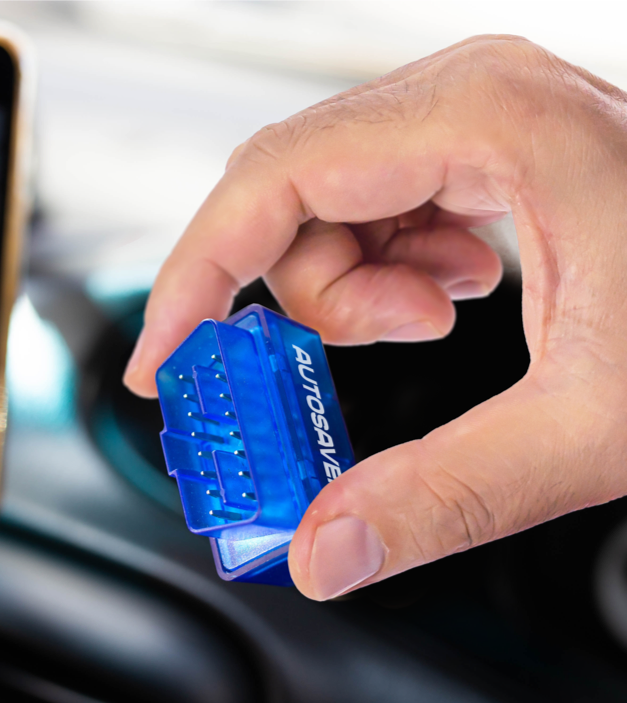
How Electronic Rust Prevention Works
Rust is something every vehicle deals with sooner or later. It does not appear suddenly, but once it starts, it keeps spreading little by little.
Most drivers do not think about rust until they see it. By that time, it has usually been developing for a while. What looks like a small spot on the surface may actually be part of a larger issue underneath.
That is why many people ask a simple question. How does electronic rust prevention actually work?
The idea may sound technical, but it is easier to understand than it seems. You do not need to know chemistry or engineering to get the main idea.
The Causes of Rust and Why it Forms on Vehicles
Rust is a natural process. It happens when metal reacts with water and oxygen.
When moisture reaches exposed metal, a slow reaction begins. Over time, this reaction breaks the metal down and turns it into rust.
Vehicles are especially vulnerable because they are constantly exposed to the environment.
Think about everyday conditions:
- Rain and snow are hitting the surface
- Road salt used in winter
- Humid air in warmer seasons
- Dirt and debris that trap water underneath
Even washing your vehicle can leave small amounts of water behind in hidden areas.
The real challenge is that rust does not always start where you can see it. It often begins in small gaps, seams, and joints where water stays longer.
Once it starts, it spreads gradually. It can move under coatings and into deeper parts of the structure.
This is why rust is difficult to control once it has begun. It does not stay in one place, and it does not stop on its own unless something slows it down.
The Science Behind Electronic Rust Prevention
To understand this technology, you only need a basic idea.
Rust is not just physical damage. It is a chemical process that involves tiny electrical movements inside the metal.
During corrosion, small charges called electrons move between the metal, oxygen, and moisture. This movement drives the rust process forward.
Electronic rust prevention for vehicles works by changing that movement.
It sends a very small electrical current through the metal of your vehicle. This changes how electrons move and makes it harder for rust to form and spread.
In simple terms:
- Rust needs the right conditions to grow
- The system changes those conditions
- As a result, rust develops much more slowly and stays more controlled
It is important to understand that this is not a surface treatment. It does not block water or seal the metal.
Instead, it works from within the metal itself. It is always active and continues to work over time without interruption.
This is what makes it different from traditional approaches.
If you want more technical details, you can visit:
https://www.autosaverobd.com/science-and-compliance/
How Electronic Rust Prevention Devices Work
A corrosion control device itself is designed to be simple and automatic.
It is installed directly onto the vehicle and connected to its grounding system. Once installed, it begins working right away.
Here is what it does:
- Sends a low-level electrical signal through the metal
- Distributes that signal across multiple components
- Reaches areas that are hard to access physically
- Operates continuously without stopping
There are no moving parts, and nothing needs to be adjusted.
You do not need to reapply anything or follow a schedule. The system works quietly in the background every time the vehicle is used.
Even when you are not thinking about it, the system is still active and doing its job.
Installation is usually done once, and after that, it requires no attention from the driver.
This makes it very convenient for people who want protection without extra work or extra time spent on maintenance.
What Electronic Rust Prevention Protects
Rust can affect almost every metal part of a vehicle. It rarely stays in one place.
That is why protection should cover more than just visible surfaces.
Electronic rust prevention is designed to protect the entire vehicle structure.
It helps protect:
- Frame and structural components
- Undercarriage areas
- Suspension parts
- Body panels
- Truck beds
- Joints, seams, and connection points
These are often the areas where rust starts first and spreads from.
Some of these parts are hard to reach with traditional methods. That is where an electrical approach becomes useful.
By working through the metal itself, the system can help protect areas that are not easy to treat manually or inspect regularly.
How It Compares to Traditional Rust-Proofing Methods
Traditional rust protection methods are still widely used.
These include:
- Oil sprays
- Undercoating
- Wax-based treatments
These methods create a layer on the surface of the metal to keep moisture away.
They can be helpful, but they also have limits.
For example:
- They wear off over time
- They need regular reapplication
- They may not reach hidden areas
- They can create a mess or buildup
Electronic rust prevention works in a different way.
Instead of blocking moisture, it focuses on slowing the corrosion process itself.
Key differences include:
- No chemicals or coatings
- No need for repeated treatments
- No dripping or cleanup
- Continuous operation
Many people find this approach easier to manage over time, especially if they want a solution that does not require ongoing effort.
What to Look for in an Electronic Rust Prevention Device
Not all devices are built the same. Some systems are better designed and tested than others.
If you are considering this type of protection, it is important to choose carefully.
Here are a few things to look for:
- Evidence of real-world performance
- Independent testing or validation
- Consistent long-term operation
A good system should be supported by both science and practical results.
It should not rely only on marketing claims. It should show that it works in real driving conditions over time.
AutoSaver focuses on providing a system that balances technical design with real-world use.
Frequently Asked Questions
Do electronic rust prevention systems work?
Yes, when properly designed and manufactured, they can noticeably reduce corrosion.
They work by slowing down the chemical reaction that causes rust. Instead of covering the metal, they address the process itself.
The results depend on the quality of the system.
How long does electronic rust prevention take to work?
The system starts working as soon as it is installed.
However, rust is a slow process, so results are not immediate.
Over time, the system helps reduce how quickly corrosion develops. The benefits become more noticeable as the vehicle ages and is exposed to different conditions.
Does it work on vehicles that already have some rust?
It can help slow down existing rust, but it will not reverse damage that has already occurred.
If rust is already present, the system can reduce further spread.
That is why early installation is always recommended for better long-term results.
Is electronic rust prevention safe for all vehicle types?
Yes, it is designed to be safe for all vehicles.
It can be used on:
- Cars
- Trucks
- SUVs
- Commercial fleets
The electrical current used is very low and does not affect normal operation.
Does it interfere with other electronics?
No, it does not interfere with vehicle electronics.
The system is designed to work alongside existing electrical components safely.
Well-designed systems ensure that there is no disruption to sensors, controls, or other systems in the vehicle.
How do I know it is working?
The system runs quietly in the background, so you will not see immediate visual changes.
The real result is seen over time, as corrosion develops more slowly compared to untreated vehicles.
The Bottom Line on Electronic Rust Prevention
Rust is a natural process, but it can be managed.
Electronic rust prevention works by slowing corrosion at its source instead of trying to cover it after it starts.
It provides:
- Continuous protection
- Minimal effort
- Long-term reliability
In simple terms, it helps reduce future problems instead of fixing them later.
For many drivers and businesses, this makes it a practical and low-effort way to protect their vehicles and extend their lifespan. It also brings peace of mind, knowing your vehicle is better protected every day without extra maintenance or effort.
If you want to learn more or explore your options, you can contact us here.
