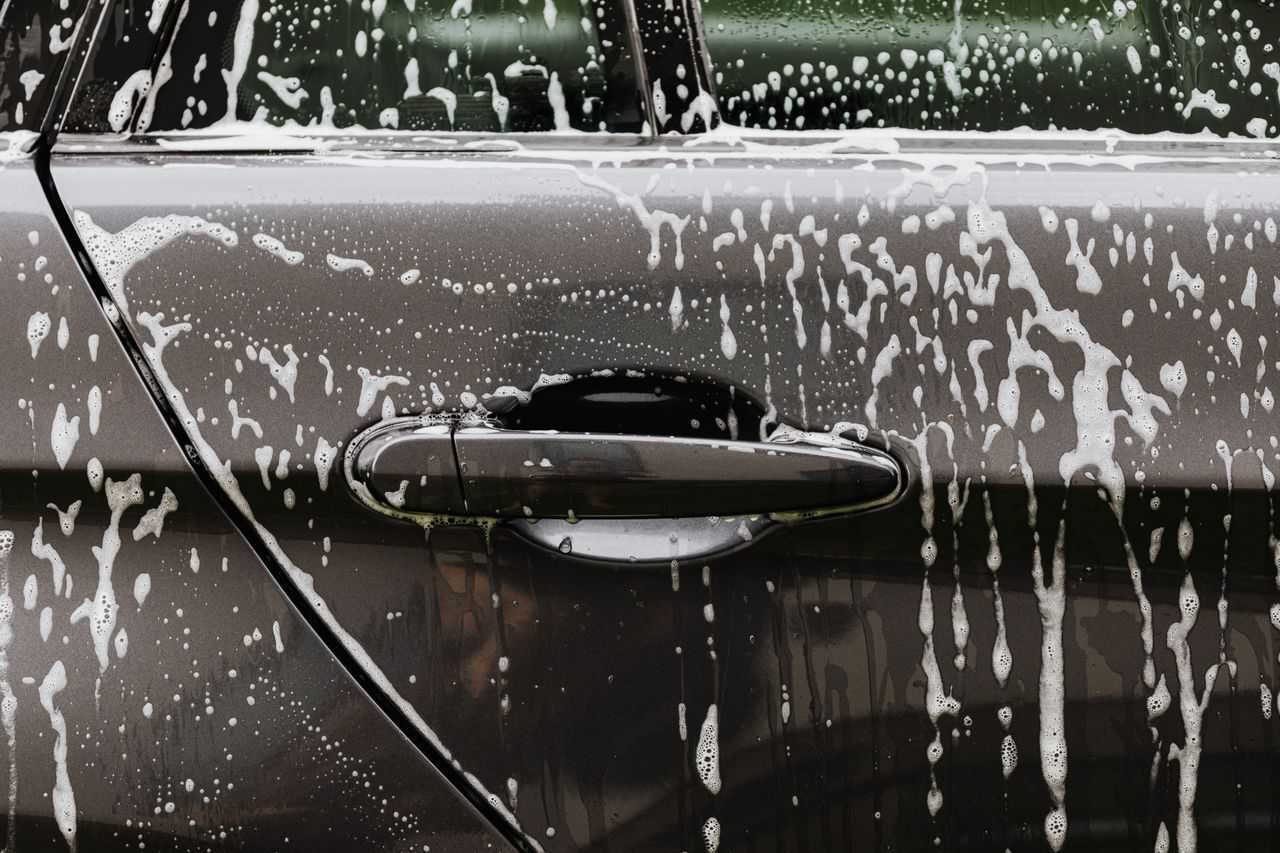
How Often Should You Wash Your Car to Prevent Rust?
Most people wash their car when it starts to look dirty.
The problem is that rust doesn’t care how clean your paint looks.
Rust starts when moisture, salt, dirt, and road grime stay on metal for too long. By the time you can actually see rust, the damage may already have started.
If you’re wondering, “How often should I wash my car to prevent rust?”, the answer depends on where you live, how you drive, and what your vehicle is exposed to every day.
The good news is that regular washing can help lower the risk of rust. The bad news is that washing by itself is not always enough.
A vehicle can look spotless on the outside while salt, mud, and moisture are still trapped underneath. Areas like the undercarriage, wheel wells, and lower body panels often collect debris that is difficult to see and easy to overlook.
That is why washing should be part of a larger rust prevention plan for vehicles. Washing removes harmful buildup from the surface, but it does not protect the metal all the time between washes.
For long-term protection, it is important to focus on what is happening underneath the vehicle, not just how clean it looks on the outside.
Why Washing Frequency Matters for Rust Prevention
Rust forms when metal, oxygen, and moisture react with each other.
Road salt, dirt, mud, and other debris make that process happen faster.
Every day these materials remain on your vehicle, they continue increasing the chance of rust.
Regular washing helps remove:
- Road salt
- Dirt and mud
- Brake dust
- Road chemicals
- Debris that traps moisture
The longer these materials remain on your vehicle, the greater the chance of corrosion.
That is why how often you wash your vehicle matters just as much as washing it in the first place.
Washing every now and then may make a vehicle look cleaner, but preventing rust requires consistency. This is especially important during winter or in regions where roads are regularly treated with salt.
Even a few days of salt buildup can increase the risk of corrosion, particularly underneath the vehicle, where moisture tends to remain longer.
Simply put, the cleaner your vehicle stays, the harder it is for rust to get started.
How Often You Should Wash Your Car — By Climate and Season
There is no single washing schedule that works for everyone.
A vehicle in Arizona faces very different conditions than one in Ontario, Minnesota, or Maine.
Use the examples below to find the best washing schedule for where you live. Your washing routine should change based on the season and driving conditions, not just how dirty the vehicle appears.
In dry climates, washing every couple of weeks may be enough. In winter regions, coastal areas, or places with heavy road salt use, more frequent cleaning is usually needed.
Mild Climates with Little to No Snow or Salt
If you live in an area with dry weather and little road salt, washing every two weeks is usually enough.
The main things you’re dealing with are:
- Dust
- Dirt
- Rain residue
- Environmental pollutants
Regular washing helps prevent buildup before it can affect paint or exposed metal.
Urban and Highway Driving
City streets and highways expose vehicles to more grime than many drivers realize.
Brake dust, road grime, oil residue, and airborne pollutants can build up quickly.
For most drivers:
- Weekly washing is ideal
- Every two weeks is the minimum recommendation
This helps keep contaminants from accumulating on painted and unpainted surfaces.
Winter and Salt-Belt Regions
Winter is often the most important season for rust prevention.
Road salt is one of the most aggressive rust accelerators a vehicle will encounter.
If roads are regularly salted where you live, try to wash your vehicle:
- At least once per week
- Within one or two days after heavy salt exposure, whenever possible
The sooner salt is removed, the less chance it has to damage the metal.
Coastal Areas
Even without winter road salt, coastal environments create their own rust challenges.
Salt particles in the air settle on vehicles every day.
Over time, this can speed up corrosion on:
- Body panels
- Door seams
- Undercarriage components
- Structural metal parts
For coastal drivers, weekly washing is generally recommended.
Rural and Dirt Road Driving
Mud and dirt may not seem harmful, but they can trap moisture against metal for long periods.
Packed mud dries slowly and creates ideal conditions for rust.
If you regularly drive on:
- Dirt roads
- Construction sites
- Farm roads
- Off-road trails
Wash your vehicle after heavy exposure whenever possible.
Don’t Forget the Undercarriage
This is the area many drivers overlook.
You can wash the exterior perfectly and still leave the most vulnerable part of the vehicle untouched.
The undercarriage is exposed to:
- Salt
- Standing water
- Mud
- Gravel
- Road debris
These materials collect underneath the vehicle, where most drivers never see them and where they are harder to remove.
If your car wash does not include an undercarriage rinse, you may only be doing part of the job.
Whenever possible, choose a wash that includes underbody cleaning.
It can make a significant difference in long-term rust prevention. A clean undercarriage helps prevent salt and mud from sitting against metal for days or even weeks.
This is especially important during winter, after heavy rain, or after driving on dirt roads.
Where Washing Falls Short
Washing is one of the best maintenance habits you can have.
But it does have limits.
The reality is that rust can continue to develop between washes.
Even if you wash your vehicle every week, moisture and oxygen continue interacting with the metal every day.
Washing is reactive.
It removes dirt, salt, and grime after they have already accumulated.
What it does not do is protect the metal all the time between washes.
That is why many vehicle owners look for additional protection.
Salt, humidity, and trapped moisture can still remain in seams, joints, and hidden areas that a normal wash may not fully reach.
This is especially true during winter, when roads are salted, and vehicles are exposed almost daily.
That is why washing is important, but it should not be your only rust prevention strategy.
Washing and AutoSaver: Better Together
Rust prevention is not an either-or choice.
The best results usually come from combining multiple forms of protection.
Regular washing removes the dirt, salt, and grime that help rust develop.
AutoSaver works differently.
Instead of cleaning the surface, The AutoSaver System works on the process that causes rust.
It uses a low-level electrical current to help slow down the reaction that leads to corrosion.
Together, they provide stronger protection:
- Washing removes salt and grime
- AutoSaver works between washes
- Protection continues automatically
- No maintenance or reapplication is required
This means your vehicle is not left unprotected after the wash is finished.
Washing handles the visible buildup, while AutoSaver helps protect the metal continuously in the background.
For drivers in winter climates, coastal regions, or humid environments, that extra protection can make a meaningful difference over time.
You can learn more about electronic rust protection for vehicles here.
For readers interested in the science behind the technology, visit our science and compliance page.
Frequently Asked Questions About Washing Your Car for Rust Prevention
Does washing your car actually prevent rust?
Yes.
Regular washing removes salt, dirt, and road grime that accelerate corrosion. However, washing alone cannot completely eliminate the possibility of rust because the corrosion process continues between cleanings.
Can you wash your car too often?
For most vehicles, no.
Modern paint systems are designed to handle regular washing. In fact, washing too infrequently is usually a much greater risk than washing too often.
Is it worth washing your car in winter?
Absolutely.
Winter is often the most important time of year for rust prevention because road salt speeds up corrosion dramatically. Regular washing helps remove salt before it can damage the metal.
Does a regular car wash clean the undercarriage?
Not always.
Many basic car wash packages focus mainly on exterior surfaces. If preventing rust is your goal, look for a wash that includes an undercarriage rinse.
Wash Your Car Regularly — But Don’t Rely on It Alone
Regular washing is one of the easiest and most effective ways to reduce the risk of rust on your car.
It removes salt, dirt, grime, and moisture before they can cause serious damage.
But even the best washing routine cannot protect your vehicle every hour of every day.
That is why many drivers combine regular maintenance with continuous protection.
AutoSaver keeps working between washes, helping protect your vehicle day and night without sprays, coatings, or regular maintenance.
This gives drivers extra peace of mind, especially in winter, coastal, or high-salt environments.
Instead of relying only on when the vehicle gets washed, AutoSaver helps provide ongoing protection in the background, where rust often starts first.
Contact us today to get started with AutoSaver.

