Does Washing Your Car Prevent Rust?
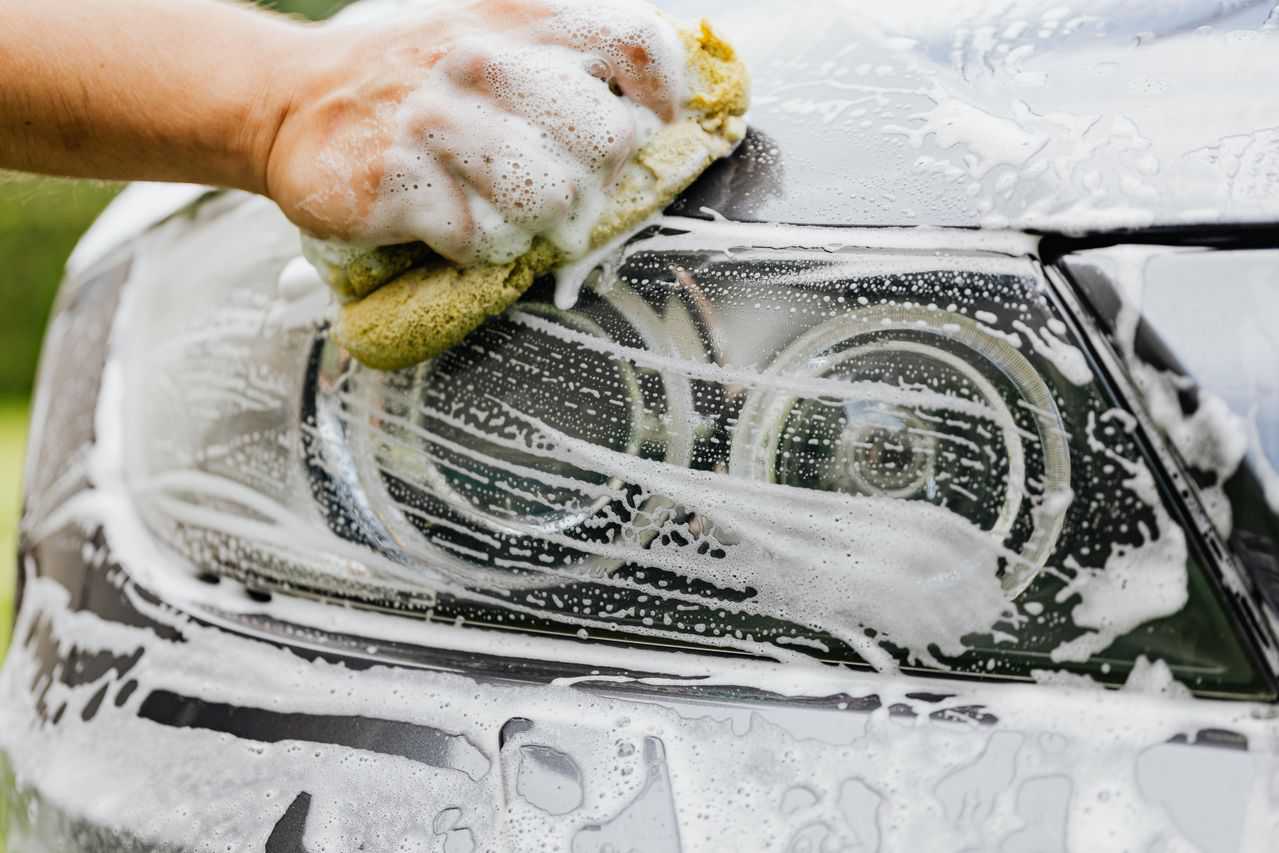
Yes, washing your car helps prevent rust.
Regular washing removes salt, dirt, and moisture before they can damage the metal. However, washing is only part of the solution. It helps reduce the risk of rust, but it cannot completely prevent corrosion on its own.
To keep your vehicle in the best condition, washing should be combined with other rust prevention methods.
How Rust Forms on a Car
Rust forms when iron in steel reacts with oxygen and moisture.
Road salt is one of the biggest reasons rust develops so quickly, especially during winter. Salt helps keep moisture on the metal and creates conditions that speed up the corrosion process.
Small paint chips, scratches, and damaged coatings make it even easier for rust to begin.
To learn more about the causes of corrosion, read our guide on why cars rust.
How Washing Helps Prevent Rust
Washing removes many of the materials that cause corrosion.
A good wash helps remove:
- Road salt
- Dirt
- Mud
- Brake dust
- Moisture-trapping debris
By cleaning these materials off the vehicle, you reduce the amount of time they stay in contact with the metal.
Regular washing is one of the easiest and most effective habits for reducing rust.
What Washing Can’t Do
Washing is helpful, but it has limits.
It cannot remove rust that has already formed, and it cannot stop corrosion that has already started beneath the paint.
Some areas, such as the undercarriage, frame, and hidden metal surfaces, may also be difficult to clean completely. Even after a wash, moisture can remain trapped in these areas.
This is why washing alone cannot fully protect a vehicle from rust.
A corrosion control device can provide added protection, including for areas that are difficult to reach during regular washing.
Car Washing Habits to Reduce the Risk of Rust
Good washing habits can make a big difference.
To help reduce rust:
- Wash your vehicle within a day or two after driving on salted roads.
- Choose a car wash that includes an undercarriage rinse.
- Wash regularly during the winter, even if the weather is cold.
- Remove mud and dirt after driving on gravel or off-road trails.
Keeping your vehicle clean throughout the year helps slow the corrosion process.
Other Factors That Affect Rust Risk
Washing is important, but it is only one part of rust prevention.
Other factors that affect rust include:
- Climate
- Road salt
- Humidity
- Vehicle age
- Where the vehicle is stored
- Paint chips and scratches
- Damaged protective coatings
Vehicles driven in snowy or coastal areas usually face a higher risk of corrosion than those in dry climates.
Frequently Asked Questions About Washing Your Car to Prevent Rust
Does rain wash away the salt that causes rust?
No.
Rain can remove some dirt, but it usually does not remove road salt completely. Salt often stays in wheel wells, the undercarriage, and other hidden areas where rust can begin.
How often should you wash your car in the winter?
Try to wash your vehicle at least once a week if you regularly drive on salted roads.
If possible, wash it within a day or two after heavy salt exposure, especially if the car wash includes an undercarriage rinse.
When it comes to how often to wash your car to prevent rust, every two weeks is a solid baseline, but bumping it up to weekly during winter or in coastal areas gives you better protection against salt and moisture buildup.
Does washing your car remove rust that’s already started?
No.
Washing helps remove salt and dirt, but it cannot remove rust that has already formed. Existing rust needs to be treated before it spreads further.
Do car washes get to the undercarriage where rust often starts?
Some do, but not all.
Choose a car wash that offers an undercarriage rinse, since this is one of the areas most exposed to road salt and moisture.
Are some cars more prone to rust than others?
Yes.
Climate, road conditions, vehicle age, paint condition, and maintenance habits all affect how quickly rust develops. Vehicles that are driven in snowy or coastal areas usually have a higher risk of corrosion.
Have more questions? Visit our FAQ page for answers about installation, compatibility, maintenance, and how AutoSaver works.
The Most Reliable Way to Prevent Rust
Regular washing is one of the best ways to reduce rust, but it cannot protect your vehicle all the time.
Rust can still develop between washes, especially in hidden areas where moisture remains.
For long-term protection, many drivers choose the AutoSaver System, which uses electronic rust protection to help reduce the conditions that support corrosion before rust becomes a serious problem.
If you’re interested in the mechanics, read our detailed guide on how electronic rust protection works.
To learn more about the science, testing, and compliance behind the AutoSaver System, visit our science and compliance page.
Have questions about rust protection for your vehicle? Contact our team today.

