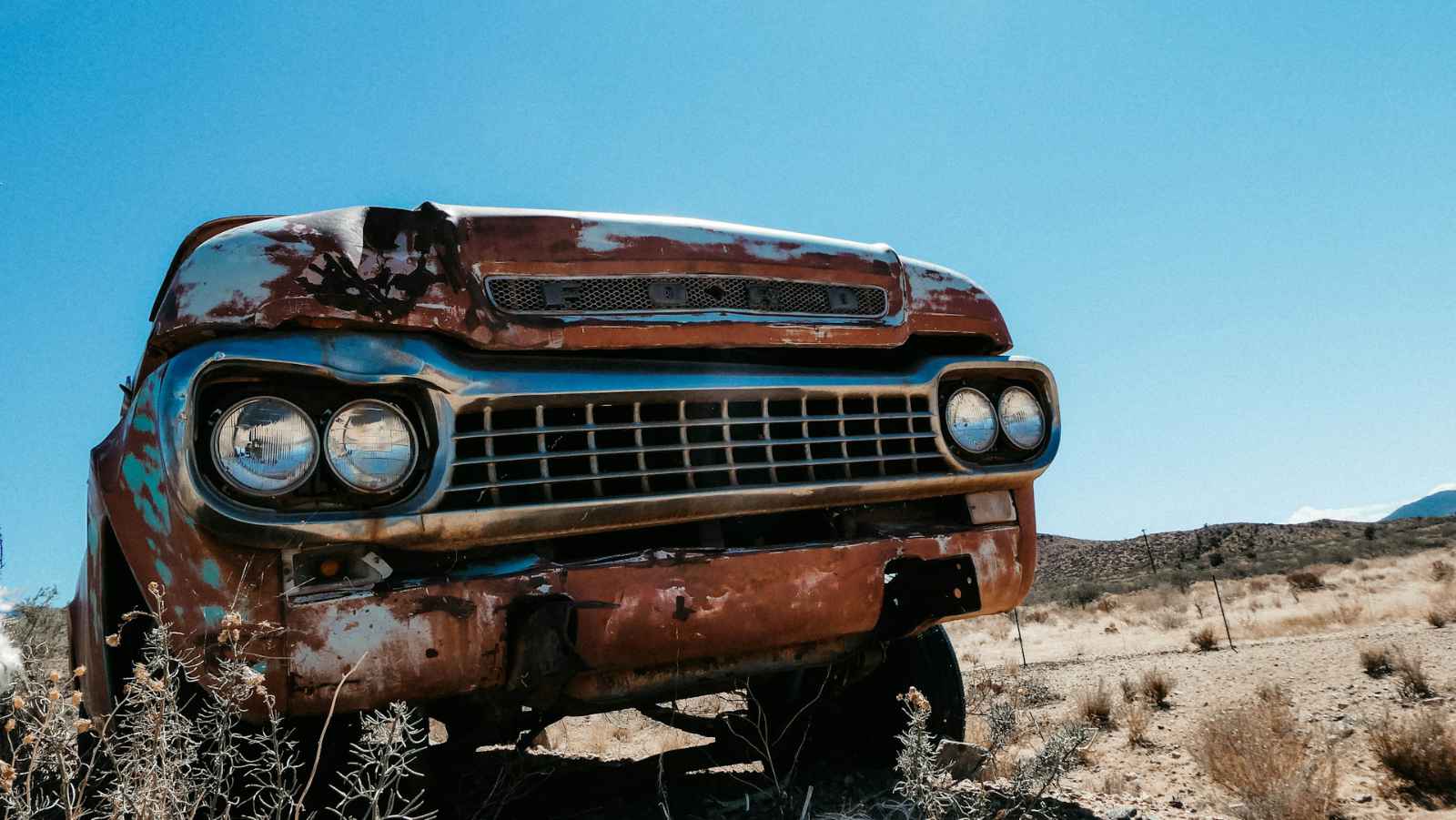
What Does Rust Do to a Car?
Rust slowly breaks down the metal parts of your vehicle.
What may start as a small rust spot can eventually damage the paint, body panels, frame, brakes, and other important components. If left untreated, rust can lead to expensive repairs and even affect your vehicle’s safety.
The sooner rust is found, the easier it is to treat before it causes serious damage.
The Science Behind Rust
Rust forms when iron in steel reacts with oxygen and moisture.
This chemical reaction creates iron oxide, which slowly weakens the metal. Road salt, humidity, and prolonged exposure to moisture can make this process happen much faster.
To learn more about what causes vehicle corrosion, read our guide on why cars rust:
What Rust Does to a Car’s Body
Rust often starts on the outside of the vehicle.
At first, you may notice small orange or brown spots, bubbling paint, or rough patches. As the rust spreads, it begins to eat into the metal, creating pits and eventually holes.
If it is not repaired early, what starts as a cosmetic problem can turn into a much larger and more expensive repair.
What Rust Does to a Car’s Frame and Undercarriage
Rust on the frame of a car and undercarriage is much more serious.
The frame and undercarriage provide the structural foundation that supports the vehicle and its major components.
Because they are underneath the car, rust often develops without being noticed.
As corrosion spreads, it can weaken the frame and reduce the vehicle’s structural strength.
A corrosion control device can provide added protection for the frame, undercarriage, and other areas that are often exposed to moisture and road salt.
What Rust Does to Brakes, Fuel Lines, and Exhaust
Rust can also affect important mechanical parts.
Brake lines, fuel lines, and exhaust systems are exposed to water, dirt, and road salt every day. Over time, corrosion can weaken these parts and increase the risk of leaks or failure.
This is where rust becomes more than a cosmetic issue; it can become a safety concern.
How Rust Affects Performance and Safety
As rust spreads, it can affect how your vehicle performs.
Weak frame components, damaged suspension parts, and corroded brake lines can reduce safety and reliability.
In severe cases, rust can make a vehicle unsafe to drive and lead to expensive repairs.
How Rust Affects Resale Value and Inspections
Visible rust can lower the value of your vehicle.
Many buyers see rust as a sign of poor condition or expensive future repairs. Vehicles with serious corrosion may receive lower trade-in offers or be harder to sell. If you’re shopping for a vehicle yourself, knowing where to look for rust on a used car, such as the frame rails, wheel wells, and undercarriage, can help you avoid inheriting someone else’s corrosion problem.
In some cases, severe rust can also cause a vehicle to fail a safety inspection.
How Long It Takes for Rust to Cause Serious Damage
There is no single timeline for rust.
How quickly it spreads depends on several factors, including:
- Climate
- Road salt exposure
- Humidity
- Vehicle age
- Washing habits
- Paint condition
In snowy or coastal areas, rust can spread much faster than in dry climates.
Frequently Asked Questions About What Rust Does to Cars
Can rust make a car unsafe to drive?
Yes.
Surface rust is usually not a safety issue, but rust that weakens the frame, suspension, or brake components can make a vehicle unsafe.
How do you know if rust has reached the frame?
Look for heavy flaking, holes, cracked metal, or severe rust underneath the vehicle.
If you are unsure, have the frame inspected by a qualified technician.
Can a car fail inspection because of rust?
Yes.
In many jurisdictions, a vehicle may fail inspection if rust has weakened the frame or other important structural or safety-related parts.
Is it ever too late to fix rust damage on a car?
Sometimes.
Minor rust can often be repaired, but severe corrosion that has damaged structural parts may be very expensive or impossible to repair economically.
Does rust spread faster in certain climates?
Yes.
Road salt, humidity, coastal air, and wet weather all speed up the corrosion process.
What parts of a car are most vulnerable to rust damage?
Rust often starts in areas that collect water, dirt, and salt, including:
- The undercarriage
- Frame rails
- Wheel wells
- Rocker panels
- Door bottoms
- Brake lines
- Exhaust components
Have more questions? Visit our FAQ page for answers about installation, compatibility, maintenance, and how AutoSaver works.
Protecting Your Car from Rust Damage
The best way to deal with rust is to prevent it before it starts.
Regular washing, repairing paint damage, and checking your vehicle for early signs of corrosion all help reduce the risk.
For long-term protection, many drivers choose the AutoSaver System, which uses electronic rust protection to help reduce the conditions that support corrosion before corrosion causes costly damage.
To understand how it works, read our detailed guide on how electronic rust protection works.
To learn more about the science, testing, and compliance behind the AutoSaver System, visit our science and compliance page.
Have questions about protecting your vehicle from rust? Contact our team today.

