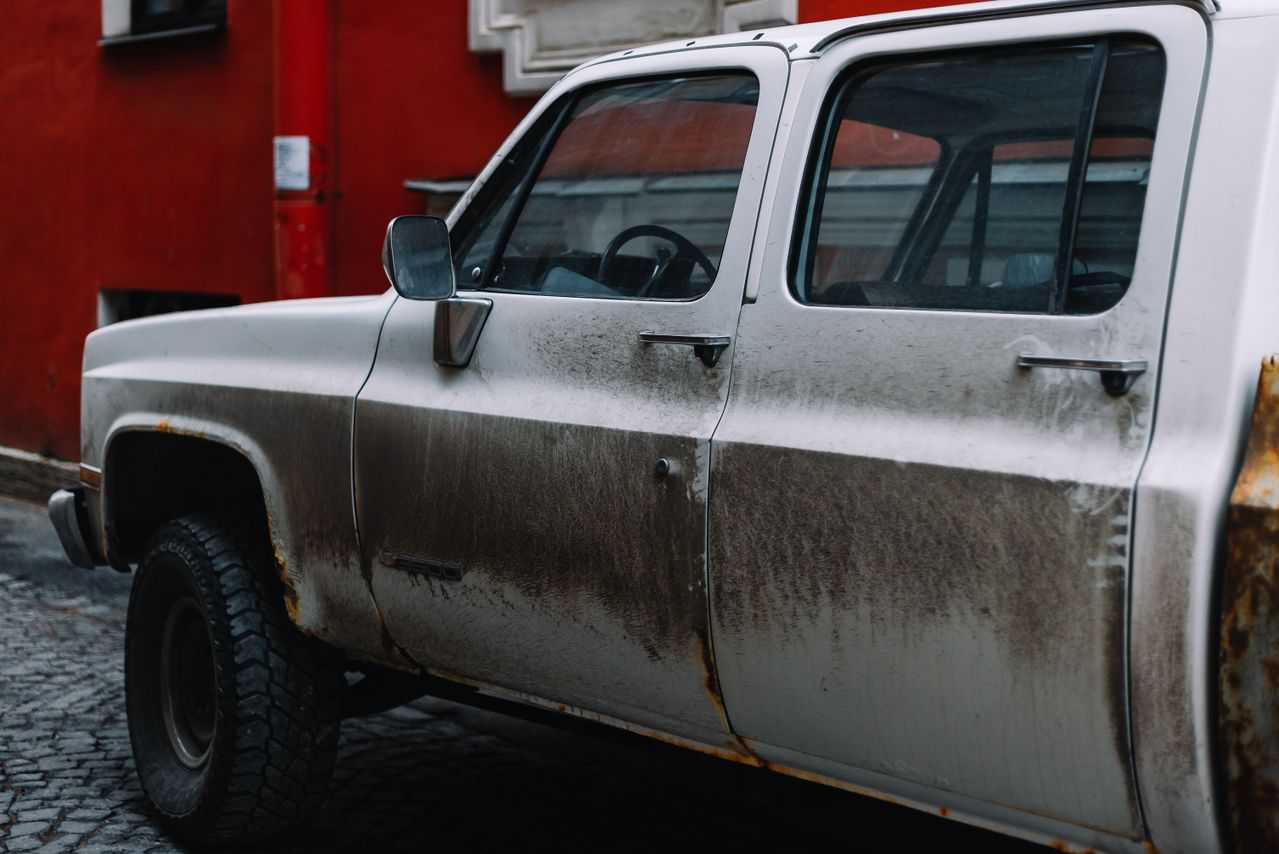
How to Prevent Rust on a Car
Rust is a problem that often starts before you can see it.
If you’re wondering how to prevent rust on a car, the key is understanding how rust starts and taking steps to stop it before it spreads.
Your car may look clean on the outside, but moisture, oxygen, salt, and road dirt can already be affecting the metal underneath. Parts like the undercarriage, wheel wells, door sills, and lower body panels are especially at risk because water, salt, and debris tend to collect there.
Most drivers try to prevent rust by washing their car, applying wax, using rust-proofing sprays, or adding undercoating. These methods can help, but they mainly protect the surface and need to be maintained regularly. They can also miss hidden areas where rust often starts.
That’s why preventing rust takes more than keeping your car looking clean. Rust is more than a cosmetic problem. Over time, it can lower your vehicle’s resale value, increase repair costs, and even affect the strength and condition of important parts of the vehicle.
The AutoSaver System takes a different approach. It helps fight rust at its source by using electronic rust protection to continuously interrupt the corrosion process. There are no sprays, coatings, or repeat applications required. Once installed, the system works quietly in the background, protecting your vehicle every day.
Why Rust Forms on Cars in the First Place
Rust forms when metal, oxygen, and moisture come together.
The steel used in vehicles contains iron. When iron is exposed to water and oxygen, it begins to oxidize. The result is iron oxide, more commonly known as rust.
This process happens naturally, but certain conditions accelerate it:
- Road salt
- High humidity
- Rain and snow
- Coastal air
- Scratches and paint damage
- Standing water
Once rust starts, it rarely stays in one place. It spreads beneath paint, into seams, and through structural components.
That’s why prevention is far easier—and far less expensive—than repair.
The Parts of Your Car Most Vulnerable to Rust
Some parts of a vehicle are much more vulnerable than others.
The challenge is that many of these areas aren’t visible during everyday use.
Undercarriage
The undercarriage faces constant exposure to road salt, water, dirt, and debris.
It’s also one of the hardest areas to inspect and clean thoroughly. Moisture can remain trapped for long periods, creating ideal conditions for corrosion.
Wheel Wells
Wheel wells take a constant beating from water, mud, and salt thrown up by the tires.
Plastic liners help, but they don’t completely seal the metal behind them. Over time, moisture can still find its way into hidden areas.
Door Sills and Lower Panels
Every time you drive on wet or salted roads, these sections are exposed to spray from the tires.
Water often collects inside sill channels, making them common starting points for rust.
Hood and Trunk Edges
Seams and edges experience more wear than flat painted surfaces.
As paint gradually thins or chips away, bare metal becomes exposed, allowing corrosion to begin.
Paint Chips and Scratches
Even small chips can create problems.
Once paint is damaged, moisture gains direct access to the metal underneath. What starts as a tiny chip can eventually become bubbling paint and spreading corrosion.
Common Rust Prevention Methods — And Their Limits
There are several ways to lower the risk of rust.
Most of them can help, but they need regular care and attention.
Regular Washing and Drying
Washing removes salt, mud, and road dirt before they can damage the metal.
This is especially important in winter.
However, washing only works well if it is done often. It also may not reach hidden areas where water and moisture can stay trapped.
Waxing and Ceramic Coatings
Wax and ceramic coatings protect painted surfaces from rain, salt, and dirt.
They create a barrier that lowers moisture exposure.
The downside is that they do not protect unpainted metal under the vehicle. They also need to be applied again from time to time.
Traditional Undercoating
Undercoating creates a physical barrier between metal and moisture.
It can work well in many cases, but coatings can crack, peel, or wear down over time. In some cases, moisture can get trapped underneath, making rust harder to see.
Rust Inhibitor Sprays
Rust inhibitor sprays can treat exposed areas.
The challenge is that they are temporary. They need to be applied again regularly and do not give continuous protection.
Addressing Paint Chips and Scratches
Fixing paint damage quickly helps stop rust from starting.
Touch-up paint can cover exposed metal, but timing is important. In wet or salty areas, rust can begin faster than many drivers expect.
The Case for Electronic Rust Protection
All of the methods above mainly protect the surface.
Electronic rust protection works in a different way.
Instead of adding a coating or barrier, it helps fight rust at the electrochemical level by interrupting the corrosion process itself.
AutoSaver is a corrosion control device that uses a controlled, low-level electrical current to reduce the conditions that allow rust to form.
Unlike sprays and coatings:
- Nothing needs to be applied again
- No chemicals are used
- No maintenance schedule is needed
- Protection continues automatically
Once installed, the system works continuously in the background.
For readers interested in how it works, see the science behind the technology.
What Car Owners Gain from AutoSaver
The real value of rust prevention is simple: keeping your vehicle in better condition for longer, lowering repair costs, and protecting your investment. It also gives you peace of mind, because your vehicle is being protected every day, whether it is parked at home, driven in winter weather, or exposed to rough road conditions.
Protection That Works 24/7 — Without the Effort
Most rust prevention methods need regular attention. AutoSaver does not.
Once installed, it works continuously in the background, protecting your vehicle day and night. There are no appointments to book, no products to apply again, and no maintenance routine to remember.
This makes it one of the easiest ways to protect your vehicle over the long term.
Whole-Vehicle Coverage
Rust does not start in just one place.
AutoSaver protects many areas throughout the vehicle, including:
- Undercarriage
- Wheel wells
- Door sills
- Structural components
- Hidden metal surfaces
These are often the same areas that are hardest to protect with traditional sprays or coatings.
Hold Your Resale Value
Visible rust is one of the biggest factors that reduces a vehicle’s resale value.
A vehicle that stays in better condition usually attracts stronger resale offers and gives buyers more confidence. Buyers often check the undercarriage, lower panels, and frame before making a decision.
By preventing corrosion early, AutoSaver supports the long-term condition of your vehicle and makes it more appealing when it is time to sell or trade in.
No Chemicals, No Runoff
Traditional treatments often use oils, sprays, or coatings.
AutoSaver is completely chemical-free.
Nothing drips. Nothing peels. Nothing washes into the environment. This makes it a cleaner option for drivers who want long-term protection without the mess of traditional rustproofing.
It also means no sticky residue on your vehicle, no repeated applications, and no concern about chemicals wearing off over time.
Avoid the Repair Bills
Rust repairs can become expensive very quickly.
What starts as a small issue can eventually require panel replacement, structural repairs, or major bodywork.
Preventing corrosion early costs far less than fixing rust on a car later. AutoSaver lowers that risk by working continuously before rust has a chance to spread.
For many drivers, this means fewer unexpected repair costs, less stress, and better long-term protection for the vehicle they rely on every day.
Common Questions About Preventing Rust on a Car
Does electronic rust protection really prevent rust?
Electronic rust protection is designed to interrupt the electrochemical process that causes corrosion.
Instead of only creating a surface barrier, electronic rust protection works at the source of corrosion.
Learn more at the most frequently asked questions about AutoSaver here.
How often do I need to treat my car to prevent rust?
Traditional methods often need regular washing, spraying, or reapplication.
AutoSaver is designed to work continuously after installation, with no ongoing treatment required.
What’s the best rust prevention for cars in winter?
Regular washing is still important, especially after driving on salted roads.
However, electronic rust protection keeps working between washes. This helps protect your vehicle through winter and all year round.
Can rust be stopped once it’s started?
Early surface rust can often be treated successfully.
More advanced corrosion is much harder to reverse. That is why prevention is always the better and more affordable approach.
Stop Rust Before It Starts
The best time to protect your vehicle is before corrosion becomes visible.
Rust forms slowly, but once it starts, it becomes harder and more expensive to control. A small hidden spot can spread into panels, seams, and structural areas before most drivers even know there is a problem.
AutoSaver gives continuous protection from day one. It protects your vehicle against one of the most common causes of long-term damage. Unlike sprays or coatings, it does not need to be applied again and does not require routine maintenance.
This means your vehicle stays protected in the background through winter roads, wet weather, salt exposure, and everyday driving.
You can learn more about the AutoSaver system here.
Or contact our team to learn how AutoSaver can protect your vehicle from rust for years to come.

