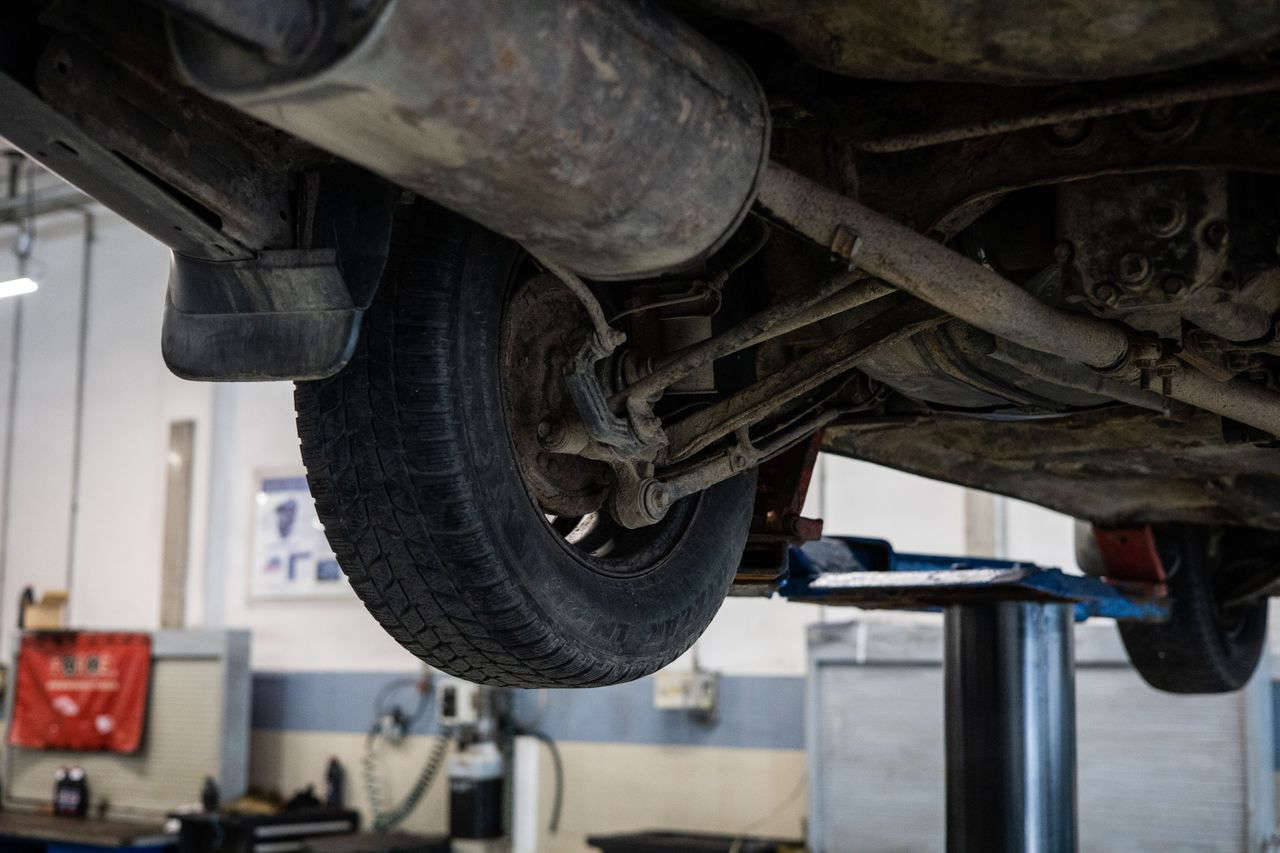
Can You Fix Rust on a Car?
The short answer is yes—sometimes.
Whether rust can be repaired depends entirely on how far it has progressed. A small rust spot on a door is a very different problem from corrosion that’s eating through a vehicle’s frame.
The good news is that many rust issues can be repaired if they’re caught early. The bad news is that rust rarely stops on its own, and the longer it’s ignored, the more expensive it becomes.
Small surface rust can often be sanded, treated, and repainted. But deeper rust may require filler, welding, panel replacement, or professional bodywork. At that point, the repair is no longer simple or cheap.
If you’re wondering, “Can you fix rust on a car?” the first step is understanding what type of rust you’re dealing with, how deep it goes, and whether prevention can stop it from coming back.
It Depends on the Type of Rust
Not all rust is created equal.
Automotive corrosion generally falls into three categories, and each one comes with different repair options and costs.
Surface Rust
Surface rust is the earliest stage of corrosion.
At this point, rust has only affected the outer layer of metal. You might notice small orange or brown spots, usually around paint chips, scratches, or exposed edges.
The good news is that this is the most repairable form of rust.
In many cases:
- Sanding removes the corrosion
- A rust treatment is applied
- The area is primed and repainted
When caught early, surface rust is often a manageable DIY project or an affordable body shop repair.
Scale Rust
Scale rust develops when corrosion moves deeper into the metal.
At this stage, rust has begun eating into the surface, causing pitting, flaking, and bubbling paint.
You may notice:
- Rough metal surfaces
- Paint blistering
- Visible corrosion spreading under paint
Scale rust is still repairable, but the process becomes more involved and more expensive.
The damaged metal often requires grinding, filling, refinishing, and repainting.
Penetrating Rust
Penetrating rust is the most serious stage.
This occurs when corrosion has eaten completely through the metal.
Signs include:
- Holes in panels
- Structural weakening
- Crumbling metal
- Advanced corrosion around seams and joints
At this point, simple repairs are no longer enough.
The damaged sections often need to be cut out and replaced.
How Rust Repair Works (The Short Version)
Most rust repairs follow the same basic process.
The goal is to remove corrosion, restore the damaged area, and prevent the rust from returning.
Typical steps include:
- Remove rust and damaged material
- Treat any remaining corrosion
- Repair or replace damaged metal
- Apply primer and paint
- Seal and protect the repaired area
The more advanced the rust, the more labor-intensive this process becomes.
That’s why catching rust early can save a significant amount of money.
Costs Involved with Rust Repair
Rust repair costs vary dramatically depending on severity.
Surface rust is usually the least expensive to address.
Small repairs may only require:
- Sanding
- Touch-up paint
- Minor refinishing
Scale rust costs more because additional metal restoration is often required.
Penetrating rust is where expenses can climb quickly.
Repairs involving:
- Floor pans
- Frame rails
- Rocker panels
- Structural components
can easily cost thousands of dollars.
In severe cases, repair costs may exceed the value of the vehicle itself.
When Rust Is Too Far Gone to Fix
There comes a point when repairing rust simply doesn’t make financial sense.
This is especially true when corrosion affects structural components such as:
- Frame rails
- Suspension mounting points
- Floor pans
- Structural welds
Once these areas become heavily compromised, safety concerns become just as important as repair costs.
At that stage, replacing the vehicle is often the more practical option.
That’s why rust prevention is so important. It’s much easier to stop corrosion before it spreads than to rebuild major portions of a vehicle later.
How to Prevent Rust from Coming Back — Or Starting in the First Place
Repairing rust is only half the battle.
The bigger question is how to prevent rust on a car in the first place and keep it from returning.
Several methods can help reduce corrosion risk, but some are more effective than others.
Keep Up with Washing — Especially in Winter
Road salt is one of the biggest contributors to vehicle corrosion.
Regular washing removes salt, dirt, and moisture before they can begin damaging metal.
Pay special attention to:
- Undercarriage cleaning
- Wheel wells
- Door sills
- Lower body panels
How often you wash your car to prevent rust depends on multiple factors, such as your location and driving habits. For drivers in snowy climates, for example, undercarriage rinsing may be the single most valuable maintenance habit.
Address Paint Chips and Scratches Promptly
Every paint chip creates an opportunity for rust to start.
Touch-up paint is inexpensive and easy to apply, but timing matters.
A small chip repaired today may prevent a much larger repair later.
Waiting even a few weeks in wet conditions can allow corrosion to begin beneath the surrounding paint.
Traditional Undercoating and Rustproofing
Undercoating and spray rustproofing can help create a barrier between moisture and metal.
These methods have value, but they require ongoing maintenance.
Over time:
- Coatings wear down
- Sprays wash away
- Protection becomes less effective
Most systems require regular reapplication to remain effective.
Electronic Rust Protection
Electronic rust protection takes a completely different approach.
Instead of creating a physical barrier, it addresses corrosion at the electrochemical level.
AutoSaver uses a controlled, low-level electrical current to help interrupt the reaction that causes rust.
Unlike traditional methods:
- No chemicals are required
- No reapplication is needed
- No maintenance schedule is needed
- Protection operates continuously
It also helps protect areas that coatings and sprays can’t easily reach.
Learn more about electronic rust protection here.
You can also explore how AutoSaver’s corrosion control technology works here.
For additional scientific information, see our science and compliance page.
Frequently Asked Questions
Can you fix rust spots on a car?
Yes.
If you’re asking whether you can fix rust on a car, small surface rust spots are usually the easiest and most affordable repairs. Addressing them quickly prevents corrosion from spreading deeper into the metal.
A minor spot can often be sanded, treated, primed, and repainted before it becomes a larger problem.
Can you fix bad rust on a car?
Sometimes.
Severe rust on body panels can often be repaired or replaced. However, extensive rust on structural components can become extremely expensive and may not be practical to fix.
If the rust has weakened the frame, floor pan, or major support areas, the vehicle should be inspected by a professional before any repair decision is made. In some cases, the cost of addressing severe rust can be higher than the value of the car itself.
Can you fix surface rust on a car?
Absolutely.
Surface rust is the easiest form of corrosion to repair because the underlying metal is usually still intact. Early treatment often prevents more serious damage.
In many cases, surface rust can be sanded away, treated with a rust converter or primer, and repainted. The key is acting quickly before the rust spreads under the paint or begins to pit the metal.
Can you fix rust on a car door?
Yes.
The cost depends on how deep the corrosion has gone. A small rust spot may require only minor refinishing, while advanced rust can require panel repair or replacement.
Car doors are particularly vulnerable because moisture can collect along seams, drain holes, and lower edges. If the rust is caught early, repairs are usually straightforward and affordable. If corrosion has spread inside the door or through the metal, more extensive repairs may be necessary.
Can you fix small rust spots on a car?
In many cases, yes.
Small rust spots are the best-case scenario. Touch-up kits, sanding, and spot repairs can often resolve the issue before major damage develops.
The important thing is not to wait. Even a small rust spot can spread under the paint if moisture continues to reach the metal. Cleaning, treating, and sealing the area early helps stop the problem from becoming a larger and more expensive repair.
The Cheapest Rust Repair Is the One You Never Need
Most rust repairs are reactive.
They happen after damage has already started.
The reality is that corrosion becomes more expensive every day it’s allowed to spread.
Preventing rust is almost always cheaper than fixing it.
Regular maintenance helps, but long-term protection requires a solution that works continuously.
AutoSaver helps protect vehicles from corrosion before it turns into a costly repair.
You can learn more about the AutoSaver system here.
If you’d like to explore your options or speak with a specialist, contact us here.
For answers to common questions about the technology, see our answers to frequently asked questions here.

