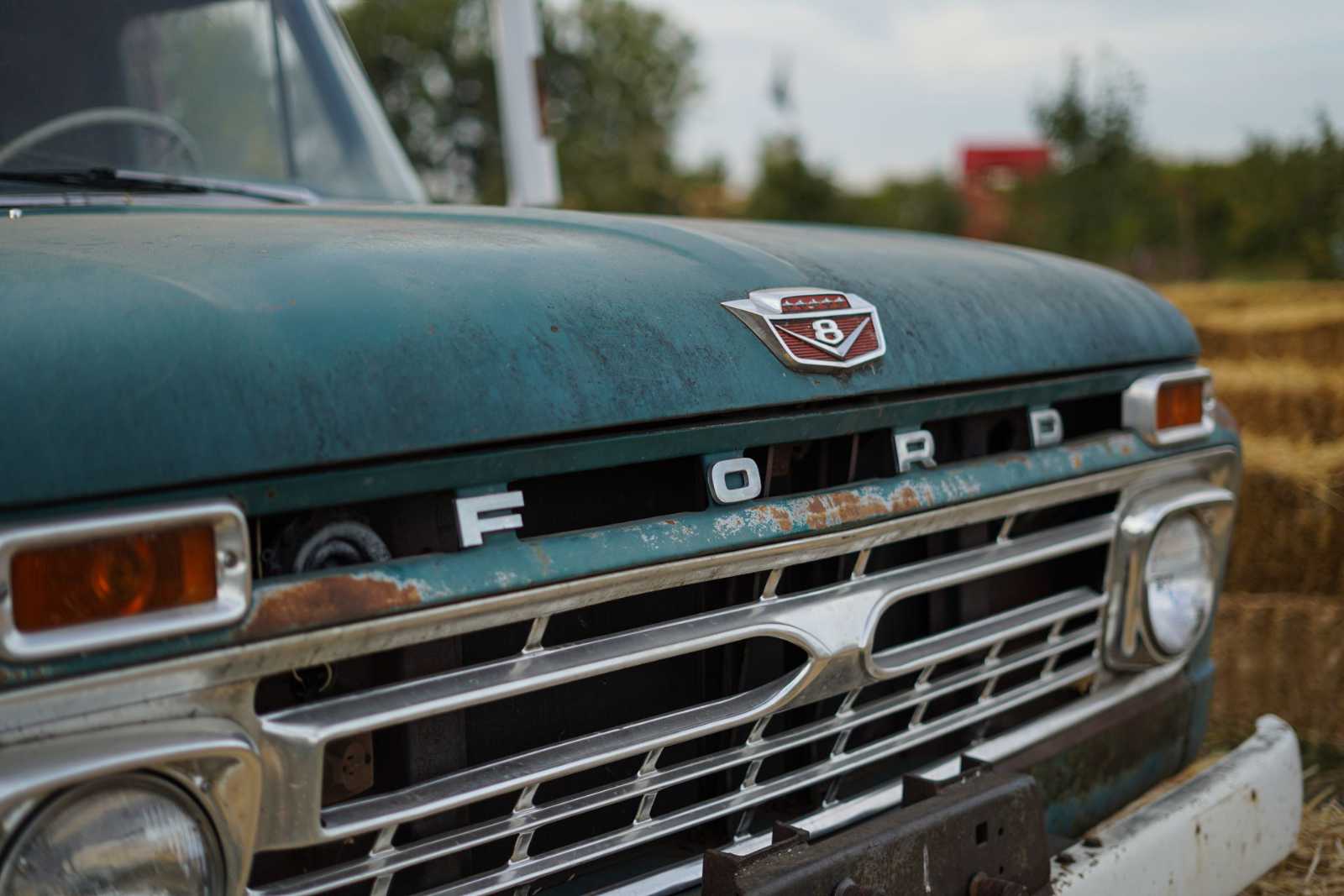
Why Do Trucks Rust More Than Cars?
Trucks often face a higher risk of rust than cars.
One reason is the way many trucks are built. Their frames, wheel wells, bed supports, and other metal parts can be more exposed to water, road salt, mud, and debris. Trucks are also often used for towing, off-road driving, farm work, and construction.
All of this can increase exposure to the conditions that cause corrosion.
To learn more about the basic causes of vehicle corrosion, read our guide on why cars rust.
Trucks and Cars Are Built Differently
Many pickup trucks use a body-on-frame design. The truck body sits on a separate steel frame that supports the vehicle.
Most modern passenger cars use a unibody design. In a unibody vehicle, the body and main structure are built together as one unit.
A truck’s separate frame has large metal sections underneath the vehicle. These areas are constantly exposed to rain, snow, road salt, dirt, and moisture.
Exposed Frame Rails Trap Salt and Water
Truck frame rails can collect dirt, salt, mud, and moisture.
Some frames have open sections or channels where road debris can build up. If these areas are not cleaned, moisture and salt may stay against the metal for long periods.
This creates good conditions for corrosion.
A corrosion control device can provide added protection for areas that face regular exposure to moisture and road salt.
Wheel Well Shelves Hold Moisture Against the Metal
Wheel wells are another common place for truck rust.
Water, mud, road salt, and small stones are thrown into these areas while the truck is moving. Dirt can collect behind liners, along seams, and on small ledges around the wheel wells.
When wet debris stays in place, the metal can remain damp for longer. Over time, this can increase the risk of corrosion.
Heavier Use Means More Exposure
Trucks are often used in tougher conditions than passenger cars.
They may be used for:
- Towing
- Hauling heavy loads
- Off-road driving
- Farm work
- Construction work
- Driving on gravel or muddy roads
This type of use can expose the vehicle to more dirt, water, salt, and road debris.
Stones and debris can also chip paint and protective coatings. Once bare steel is exposed, moisture and oxygen can reach the metal more easily, and corrosion can begin.
Factory Undercoating Isn’t Always Enough
Factory coatings help protect a truck when it is new, but they may not provide permanent protection.
Over time, protective paint, wax, or other coatings can wear, chip, or become damaged. Harsh winters, gravel, mud, and road debris can speed up this process.
Once the protective layer is damaged, the steel underneath may become exposed to moisture and salt, allowing corrosion to begin.
Electronic rust protection for trucks can help combat this rust issue by providing continuous defense that doesn’t wear away like traditional coatings.
Open Bed Design Adds Another Weak Point
A truck bed is more exposed than a car’s enclosed trunk. Its underside has open metal supports and crossmembers that can catch road spray, dirt, and debris directly.
Scratches, damaged coatings, and trapped moisture around seams can also increase the risk of corrosion.
How to Protect a Truck from Rust
Regular care can greatly reduce the risk of truck rust.
Wash the truck regularly, especially after driving on salted roads. Pay close attention to the frame, undercarriage, wheel wells, and areas where mud and debris collect.
Repair paint chips and damaged coatings early. It is also a good idea to inspect the underside of the truck several times a year, especially before and after winter.
Electronic rust protection can be used as another part of a long-term corrosion prevention plan.
Electronic rust prevention works by sending a weak electrical current across your vehicle’s metal surfaces, which slows the electrochemical reaction that causes rust to form.
Frequently Asked Questions About Truck Rust
Do all pickup trucks rust more than cars?
No.
Rust depends on the truck’s design, materials, age, climate, maintenance, and how it is used. However, many trucks have more exposed underbody and frame components that regularly face water, salt, and debris.
Which part of a truck rusts first?
Common areas include the frame rails, wheel wells, rocker panels, bed supports, and suspension mounting areas.
The exact location depends on where moisture, salt, and dirt collect.
Does towing or off-roading make rust worse?
It can.
Off-road driving can expose a truck to mud, water, stones, and debris. Heavy use can also damage protective coatings, making it easier for corrosion to start.
Is factory undercoating enough to stop rust?
Factory protection helps, but it can wear or become damaged over time.
Regular inspection and cleaning are still important, especially in areas with snowy winters and road salt.
Do newer trucks rust less than older models?
Newer trucks may have improved coatings, materials, and corrosion protection, but they can still rust.
Climate, road conditions, maintenance, and damage to protective coatings remain important factors.
How often should you wash a truck’s undercarriage?
There is no single schedule for every truck.
During winter, wash the undercarriage regularly and especially after heavy exposure to road salt. Trucks used off-road should also be cleaned after mud and debris build up underneath.
Can truck frame rust be prevented?
The risk can be reduced.
Regular washing, early repair of damaged coatings, inspections, and corrosion protection can all help slow the process.
I f you have more questions about AutoSaver, installation, compatibility, or maintenance, visit our FAQ page.
Protect Your Truck Before Rust Takes Hold
Because trucks often have exposed frames and are used in demanding conditions, preventing corrosion early is important.
Regular cleaning and inspection are good first steps. For long-term protection, the AutoSaver System uses electronic rust protection to help reduce the conditions that support corrosion.
Learn more about the AutoSaver System here.
You can learn more about the science, testing, and compliance behind the system here.
Have questions about protecting your truck from rust? Contact the AutoSaver team.
